
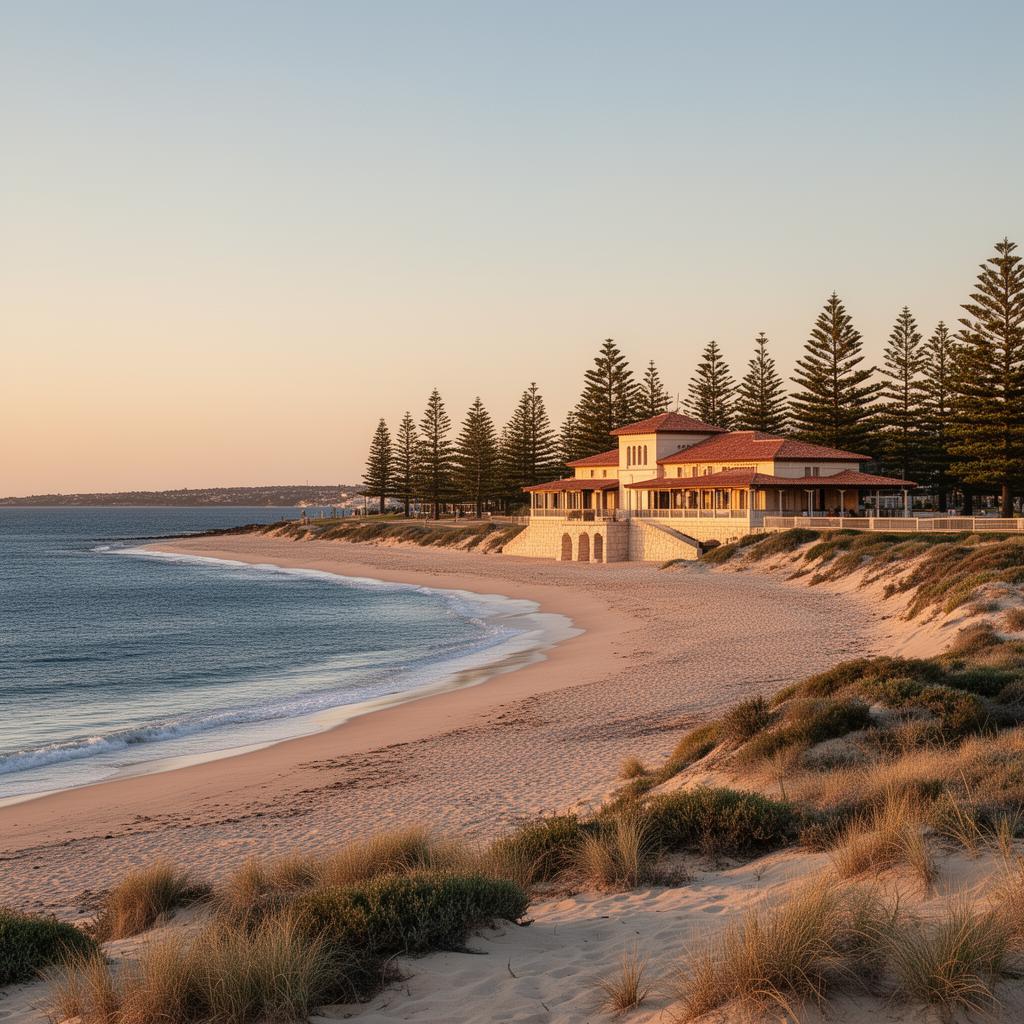
The Western Australian coast does not behave like a single market. Demand in Cottesloe moves differently to Mandurah, a Fremantle terrace attracts a guest with different expectations than a Perth riverside apartment, and the South West runs on a calendar of its own. Reading the market well means understanding these distinct rhythms rather than applying one rule across all of them.
This is the work that sits beneath every pricing decision and every occupancy result. It is unglamorous, ongoing and, done properly, it is what separates a property that performs from one that merely gets listed.
The coast is many markets, not one
It helps to think of the Western Australian short-term rental landscape as a set of overlapping micro-markets, each with its own demand drivers:
- Perth metropolitan and riverside — steady year-round demand from business travel, events, family visits and interstate arrivals through the airport.
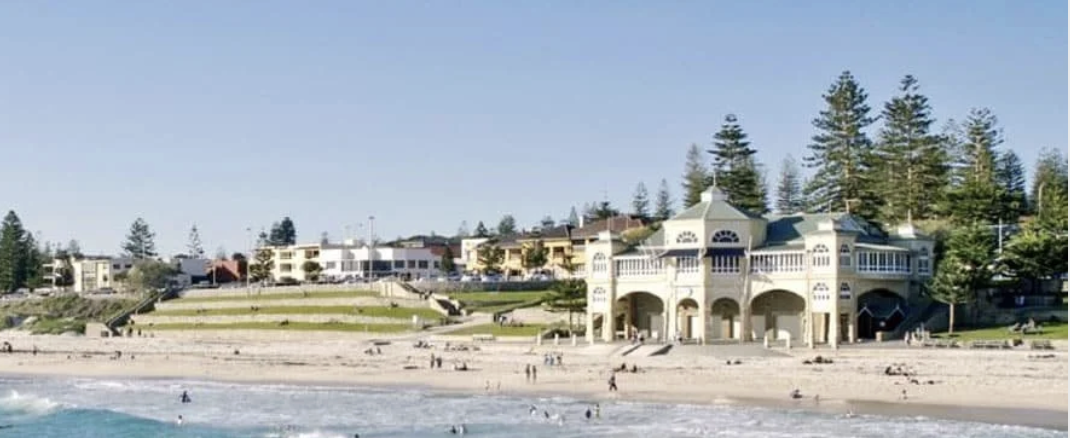
- Cottesloe, Scarborough and the northern beaches — beach-led leisure demand that peaks hard over summer and around major events.
- Fremantle — a design-conscious, culturally engaged traveller drawn by heritage, food and the working port character.
- Mandurah and the Peel — value-driven family and group stays, strong over school holidays and long weekends.
- The South West (Dunsborough, Margaret River, Pemberton) — destination travel tied to wine, food, surf and events, with pronounced peak and shoulder patterns.
A strategy that works in Margaret River in March will not necessarily hold in Mandurah in June. The starting point is always: which market is this property actually in, and who is the guest it serves?
Seasonality, and the value hidden in the shoulders
Peak coastal demand concentrates between November and March. That much is predictable, and most owners price for it. The more interesting question is what happens in the shoulder and off-peak months, because that is where annual yield is genuinely won or lost.
The most resilient properties earn steadily outside summer by appealing to a broader set of guests:
- weekend travellers escaping Perth for two or three nights
- remote workers seeking longer, quieter stays with good connectivity
- domestic explorers travelling in the milder shoulder months
- event-driven visitors around sport, music, food and wine calendars
Demand drivers worth tracking
Nightly rate is an outcome, not a strategy. The signals that actually move demand are more specific, and they reward owners who pay attention:
- Events and calendars — sporting fixtures, festivals, concerts and regional wine and food events reliably lift both occupancy and achievable rate.
- Weather and school terms — the West's long, warm shoulder seasons extend the usable calendar well beyond the obvious summer window.
- Supply changes — new listings entering a pocket can soften rates quickly; understanding your competitive set matters as much as understanding demand.
- Guest sentiment — review themes across a region reveal what travellers increasingly expect, from fast internet to genuinely pet-friendly homes.
The goal is never the highest nightly rate in isolation. It is the strongest sustainable yield across the year.
How we read it for owners
We track occupancy, rate movement, lead times and guest sentiment across each region so owners can make calm, evidence-led decisions rather than reactive ones. That means watching how far in advance a market books, where rates are genuinely holding versus where they only appear to, and how a specific home sits against its true competitive set rather than the wider average.
The aim is not to chase every spike. It is to position each property accurately within its own market, hold that position with discipline, and let consistent occupancy and a strong guest profile do the long-term work.
If you own a coastal or riverside property in Western Australia and want a clear read on where it sits in its market, we are happy to talk it through.